IMRA Series #12: Turning Feedback into Strategy: Managing the IMRA Appeals Process
I can be an anxiety-ridden moment when the IMRA quality report lands in a publisher’s inbox. No matter how strong the submission felt, opening these critical documents means facing the
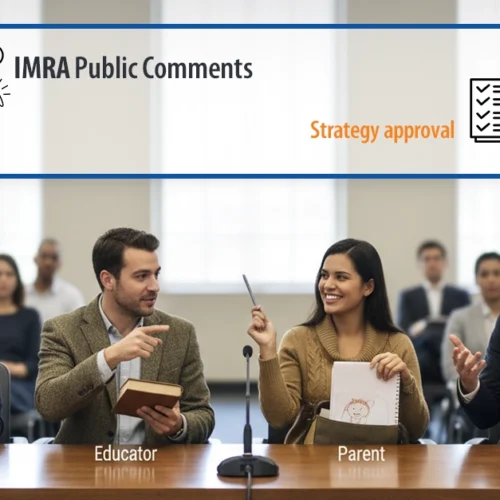
IMRA Series #11: When the Curtain Rises: Mastering Public Comment Season with Strategy and Clarity
RFP SchoolWatch IMRA 2026 Series – February 3 Edition By February, the chaos of Form B uploads, ISBN checks, and last-minute component edits gives way to a calm that is

IMRA Series #10: Building the Modern Audit Culture: How Internal Systems Shape Success
By mid-January, the scramble to upload components and double-check ISBNs fades, replaced by a quieter kind of tension. The Texas Education Agency has begun its first deep reviews. Evaluators are
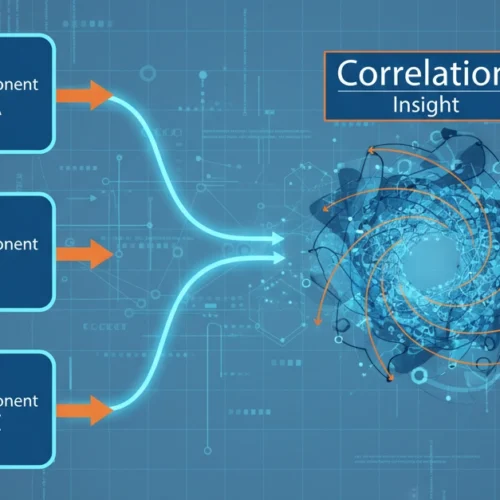
IMRA Series #9: Navigating the Pivotal Stage: From Components to Correlations
The Texas Instructional Materials Review and Approval process has entered the most demanding stage. At this point, publishers have access to the Publisher Dashboard, where program components are uploaded, and
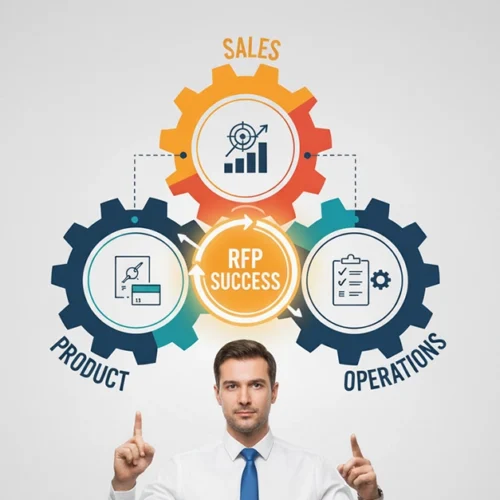
Aligning Product, Sales, and Operations for Successful RFP Strategy
In the highly competitive procurement environment of K–12 and educational agencies, responding to requests for proposals (RFPs) and aligning internal product, sales, and operations is a strategic imperative. When these

RFP SchoolWatch AI Series #5: Organizations, Coalitions, and Safety in AI
AI and the American Classroom: Regulation, Innovation, and Responsibility Artificial intelligence in K–12 education is seeing a growing network of policy frameworks, research groups, and public–private partnerships that are beginning

RFP SchoolWatch AI Series #4: Best Practices for Harnessing Artificial Intelligence in K–12 Education
AI and the American Classroom: Regulation, Innovation, and Responsibility Artificial intelligence has entered the K–12 conversation as a present reality shaping how schools operate, teach, plan, and how students learn.

RFP SchoolWatch AI Series #3: Evaluating Evidence and Practical Realities of AI in K–12
AI and the American Classroom: Regulation, Innovation, and Responsibility Artificial intelligence continues to command attention in K–12 education. Districts are eager to explore how adaptive software, predictive analytics, and AI-assisted

RFP SchoolWatch AI Series #2: AI in Educational Software
AI and the American Classroom: Regulation, Innovation, and Responsibility Artificial intelligence in educational software refers to the integration of algorithms that analyze data, identify patterns, and make recommendations to support

RFP SchoolWatch AI Series #1: Legislation & Regulation of AI in K–12 Education
AI and the American Classroom: Regulation, Innovation, and Responsibility Artificial intelligence has moved swiftly from theoretical conversation to practical application in the K–12 sector. School districts are beginning to explore

How School Districts Evaluate Proposals: Inside the Scoring Process
Most vendors optimize for quality. The districts scoring their proposals are optimizing for something else entirely. This post breaks down how evaluation really works…

Compliance Matrix Mastery: Scoring Higher on Technical Evaluations (Part 2)
Strong compliance matrices win K-12 RFPs by making evaluation teams confident in their choice. This guide shows how to structure responses so procurement can verify requirements efficiently…

Compliance Matrix Mastery: Never Miss a Requirement Again (Part 1)
Miss a requirement, lose the bid. It sounds simple, but compliance gaps are one of the most common reasons strong proposals fall short in K-12 evaluations. This guide introduces compliance…

AI Spending Is Already Happening in K-12. Are You Ready for the RFP?
A discussion around how districts are currently buying AI tools, and how AI companies can position themselves to be successful with AI services RFP’s…

The K-12 Procurement Cycle: Navigating District Budgets and Funding Sources
For K-12 vendors, understanding the funding landscape is a starting point — not a strategy. District budget decisions are shaped by accountability and risk as much as by dollars available…

The K-12 Procurement Cycle: Key Decision Makers and Influencers
For K-12 districts, procurement decisions are shaped by more than timing. They are influenced by the individuals who define needs, frame implementation expectations…

The K-12 Procurement Cycle: Timing Your Outreach for Maximum Impact
For K-12 districts, the procurement cycle starts long before RFPs are released. Vendors who engage early and understand how instructional priorities…

How School Announcements Fuel School Climate & Inclusion + Lessons Learned in K-12 Procurement
Morning announcements are easy to dismiss as background noise—a few reminders, a lunch menu, a birthday shoutout. But when done well, they create shared rituals, make students feel seen…

Strategic Workflow & RFP Version Control
Strategic Workflow & RFP Version Control Organizations that compete in public-sector procurement often focus their energy on external factors: the narrative, pricing, evidence base, alignment, program strength, or past performance. Companies that respond consistently and clearly usually share one foundational trait: a disciplined system for storing information, managing versions, documenting

Post Award Procedures
Post Award Procedures Post-Award Strategy for Kickoff, Reporting, and Sales Enablement Winning an RFP is often treated as a finish line, but the award is the beginning of a new phase. A strong proposal opens the door; post-award discipline decides what happens once you walk through it. There is a