
This three-part series explores how to time your outreach, engage the right decision-makers and influencers, and understand district budgets and funding constraints to position your organization as a trusted partner.
For K-12 districts, the procurement cycle starts long before RFPs are released. Vendors who engage early and understand how instructional priorities, budgets, and internal alignment shape district decisions are better positioned to stand out in a crowded field and earn trust over time.
Why Your Outreach Timing Matters More Than RFP Release Dates
If you are a vendor whose K-12 procurement strategy is focused primarily on knowing when solicitations will drop, you aren’t alone. But operating on this timeline puts you at risk of missing out on opportunities to partner meaningfully with districts as they make decisions about how they’ll use procurement to meet academic goals and priorities.
The reality is that if you’re engaging with districts only by responding to their RFPs, you may get lost in the crowd. Your strategy needs to start with understanding how and when those solicitations are shaped.
RFP notifications still play an important role, and can serve as a source of insight and help lay the foundation of a strategy. Patterns in timing, scope, and priorities across solicitations can help vendors better understand the market, anticipate needs, and engage earlier.
The moments when needs are being identified and options are still open are where meaningful influence can happen. To understand why, you have to look earlier in the cycle.
The Invisible Season: Where Procurement Decisions Begin
Whether you’re new to the world of K-12 procurement or you’ve been submitting responses for years, you know that the start of a new year typically means the start of another whirlwind RFP season. Without a holistic strategy, your effort goes into searching, scanning, hustling, and submitting with moments (and no breaths) to spare.
This phase is intense, often compressed, and the stakes are high, especially when multiple opportunities land at once and overlap.
But if you’ve taken time to partner with districts outside of this 3–4 month phase, you know about the “invisible” pre-RFP season. This is the phase where districts are evaluating and deliberating in ways that will ultimately shape what vendors will be asked to respond to later.
While vendors are recovering after their last lap of the procurement race, districts are just getting started with early analysis of instructional gaps and priorities that will ultimately shape the next round of RFPs. The criteria and requirements you see in an RFP don’t just appear out of thin air; they come from a process that kicks off with district reflection and data review, which informs budgets and budget approval, all before districts put pen to paper to craft an RFP.
By the time a solicitation is released, many core decisions about scope, priorities, criteria, and constraints have already been made.
How Vendors Miss the Window for Early Influence
As the school year winds down in late spring, administrators are taking stock of district needs through assessment data and staff input. They’re using the summer and early fall to plan for the next school year.
This is a reflective phase in the process, but it’s also a pragmatic one: districts are weighing what’s realistic, affordable, and defensible.
At this point, two realities are taking shape:
1. the most important district conversations are happening well before RFP season hits, and
2. waiting until that season means responding to decisions that are largely already set.
When vendors wait to engage with districts until RFPs are released, they’re entering the conversation after priorities have been named and budgets have begun to solidify.
Aligning Outreach with the K-12 Buying Cycle
The K-12 buying cycle is year-long and made up of distinct phases, and your outreach timing matters. Not every phase is appropriate for pitching, but every phase presents an opportunity to listen, ask better questions, and build credibility.
Here’s how the phases typically line up across districts.
- Summer - Reviewing What Worked (and What Didn’t): During the summer, districts are doing the work to reflect on the year to surface gaps and name points of satisfaction and frustration. Often, there is not yet a clear solution in mind.
- Fall - Laying the Budget Groundwork: As fall kicks into gear and the new school year begins, administrators are finalizing budgets and goals. Requests start to take shape, and alignment to academic priorities becomes critical.
- Winter - Finalizing What’s Funded: During the winter months, budgets are being reviewed, and funding decisions become more specific. What started as a general request may now be tied to a particular approach, framework, or solution, especially when a vendor has been part of the conversations from the start.
- Spring - Committing and Contracting: Finally, spring brings with it the RFP season. This is when districts formalize decisions made earlier in the year and turn priorities and budgets into procurement documents. Vendors engaged earlier enter this phase with fewer unknowns and clearer insight into district needs.
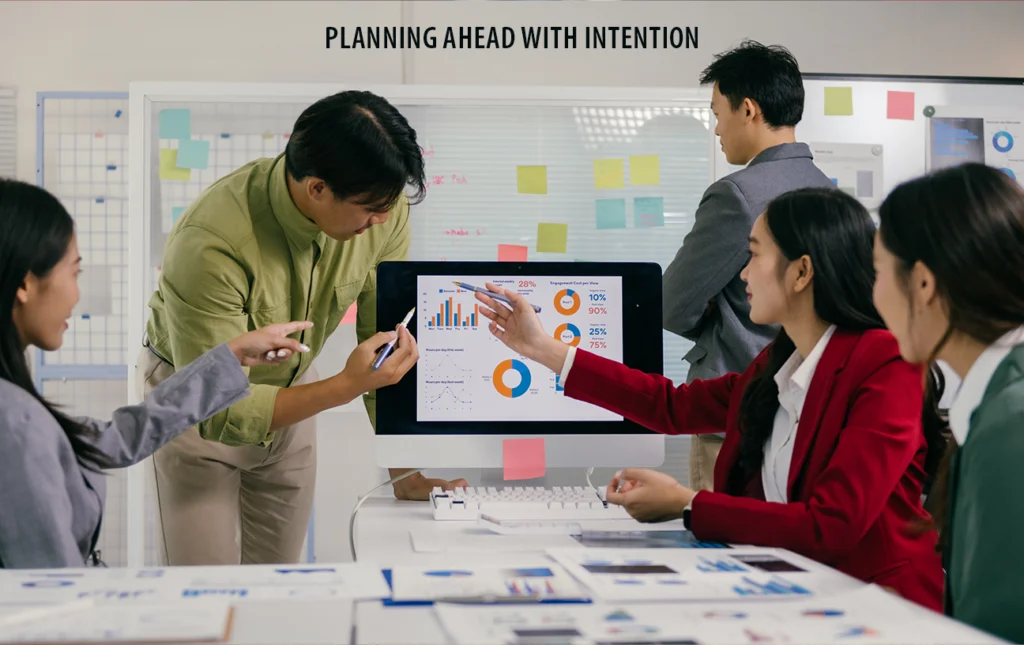
Planning Ahead with Intention
What does this mean for you? It means a shift away from treating procurement as a short-term sprint and toward participating in the full cycle as part of your year-round strategy.
You want to know what to expect, and you can get there by engaging early, beginning in late spring and early summer when leaders have time to reflect, analyze, and assess what’s needed next.
If you’re reading this early in the calendar year, you know we’re already in the busy RFP season. And maybe this is new information to you. Don’t stress. Don’t fret. But do plan. Respond to what’s in front of you. And use the moment to think differently about how you’ll engage next in the cycle.
Start using your time strategically now by prioritizing relationship-building and conversations with stakeholders to listen and learn, so when the next busy season hits, your strategy is already working for you.