
Back-to-School Season: Capitalizing on Late-Summer Procurement Opportunities
August in K-12 sales tends to get written off. Districts are focused on getting students in seats, and proposal teams assume the year’s buying decisions are settled. However, late summer is a window where a fresh fiscal year, unspent dollars from the prior cycle, unexpected needs, and rapid procurement pathways can converge into real opportunities for vendors who know how to navigate it.
Most districts operate on a July 1 to June 30 fiscal year, which means the budget calendar resets right before students walk through the doors. The first weeks of school surface needs that the planning cycle missed: a curriculum that arrived late, staffing that fell through, technology that scaled differently than leadership expected. Vendors who understand how districts can move quickly during this window are positioned to capture work that competitors assume is off the table.
Read the Approved Budget
A district’s adopted budget is a public document, and in most states it is posted directly on the district’s website. State transparency laws in places like Texas, Colorado, and Maryland require districts to publish budget summaries prominently, often on the homepage. The full line-item budget usually lives one or two clicks deep on the business office or board of education page.
Three things to look for:
- Year-over-year line item changes in your category. Increases signal where a district plans to direct new spending. Decreases tell you where you may need to defend your existing position or rethink your approach.
- Funds tied to specific initiatives in the superintendent's letter or budget narrative. These typically carry their own procurement timelines and named owners, and they are often where the most strategic dollars sit.
- Categorical and grant-funded line items. Title funds, IDEA dollars, and competitive grant awards often move on different schedules than the general fund and can be released later in the cycle.
Board agendas and minutes from May through July are the second layer. Approved purchases above the bid threshold appear there with vendor name, contract amount, and term. Reading the last three months of agendas tells you which contracts are expiring, where dollars remain uncommitted, and which decision-makers signed off on what.
Understand How Emergency Purchases Work
Every state defines an emergency procurement pathway, and the threshold for invoking it is narrower than vendors often assume. New Jersey law, for example, permits emergency contracts only when a situation affects the health or safety of school occupants and requires immediate action. Arizona, South Carolina, and most other states define it similarly. The phrase “an emergency cannot be created by inadequate planning” appears across multiple state procurement codes for a reason.
Real emergencies still happen in August. An HVAC system fails the week before students arrive, a staffing partner closes mid-summer, or a required curriculum gets delayed at the warehouse. When that happens, districts can award in days rather than months, and they almost always go to a vendor they have already worked with or one a peer district recommends.
Vendors already on the radar of business officials, curriculum directors, and operations leads thanks to Spring relationship-building are the ones that get the call when something breaks. Cooperative purchasing contracts work the same way. Sourcewell, OMNIA Partners, AEPA, BuyBoard, and state master agreements let districts skip the full RFP cycle and award through existing competitively procured contracts. If your organization holds any of these, late summer is the time to make sure district contacts know about them.
Build Rapid Response Capability
August RFPs often land in response to urgent or emergent circumstances, which means turnarounds are short, sometimes ten business days or fewer. Teams that win on those timelines have done the preparation work in advance. They have:
- An intake process that produces a go or no-go decision within twenty-four hours of an RFP landing
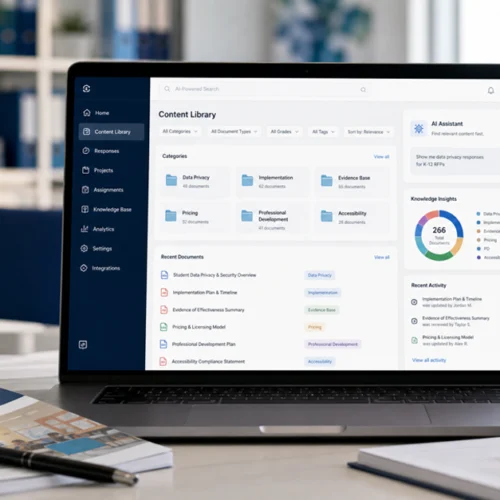
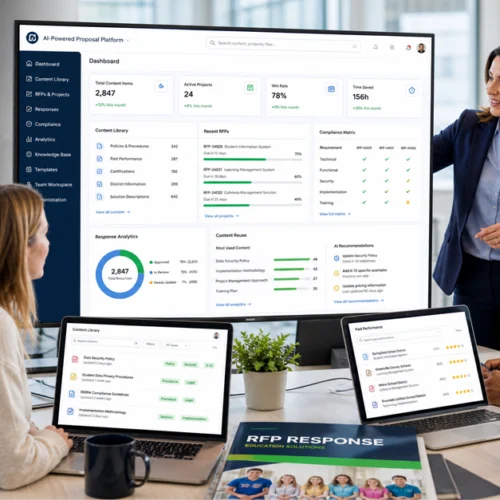
- A current, tagged content library with K-12-specific evidence, compliance language, and case studies ready to deploy
- A pre-approved pricing framework that lets your team quote within hours rather than days
- SMEs who understand which questions require their input and which can be drafted from existing content
Vendors who win late-summer work start their preparation in spring. Their proposal operations were built for this exact moment, and that preparation is the difference between scrambling and submitting with confidence.
The Window Rewards Preparation
Late summer rewards vendors who treat August through October as its own selling season. The buyers are looking for solutions, the dollars remain in motion, and the procurement pathways stay open well into fall. Teams that build district relationships in spring, keep cooperative contract information current, and track budget timelines walk into this window ready to compete.